
A Plainspoken Custom Home Process.
Here's how a Hearthside home gets built — every step, before you commit to anything.
Seven steps. No mystery.
Most of the horror stories you've heard about ballooning budgets, slipping timelines, and the builder who vanished after signing didn't start on the job site. They started earlier, with a process the homeowner never fully saw: vague allowances instead of real specifications, an estimate instead of a price, a handshake instead of a plan.
That's why we're showing you our entire custom home builder process before you commit to anything. When you know exactly what happens at each step, what you'll see, what you'll sign, and when the number becomes fixed, there's nowhere for surprises to hide. You can hold us to every stage of it. That's the point.
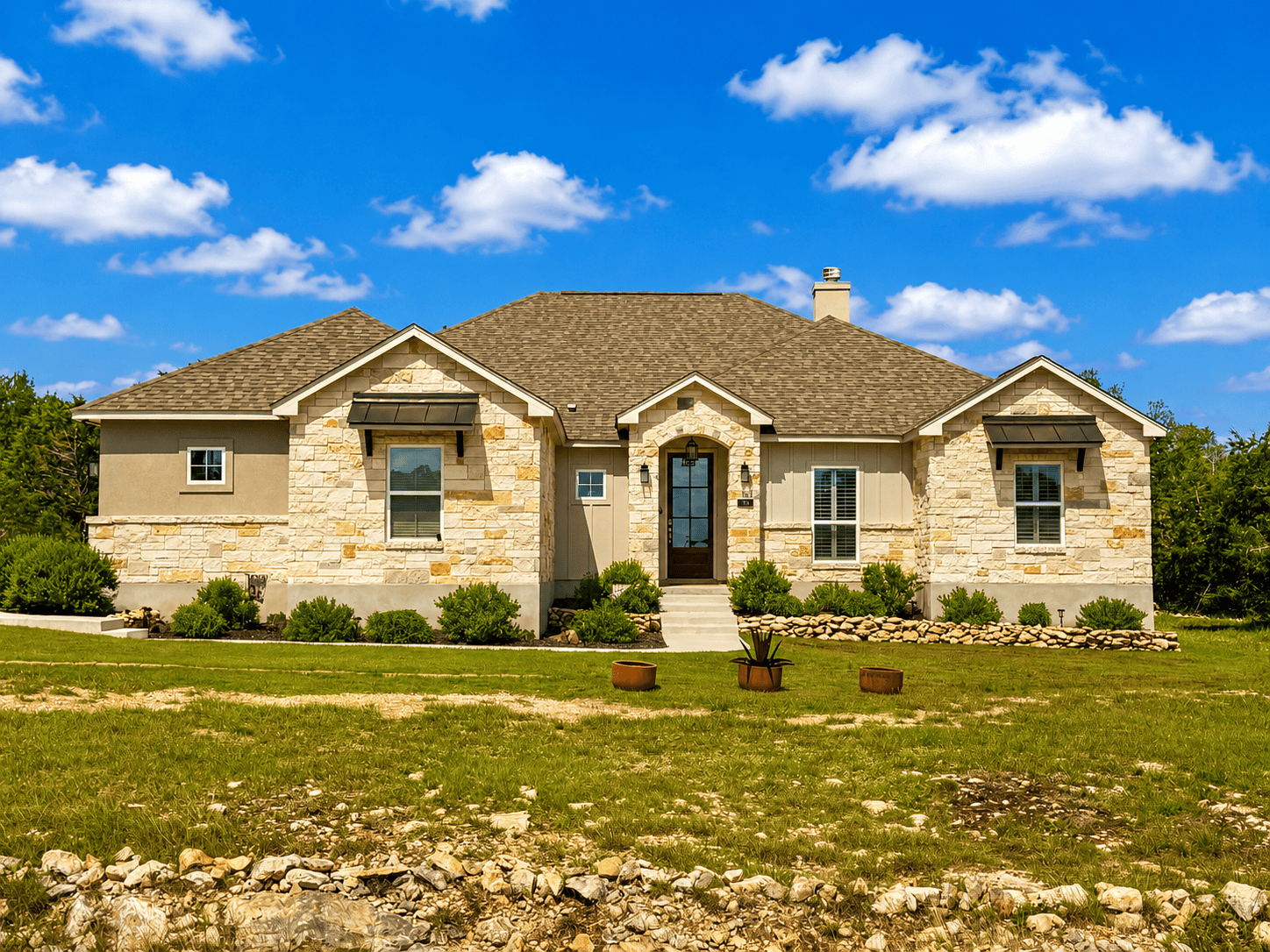
From First Draft to Groundbreaking, Step by Step.
First Draft or Start Here
It begins with a conversation and a drawing, not a sales pitch. Please tell us what you want to build and where, and we'll draw a preliminary floor plan for your specific lot. Free, with no fee and no obligation. You can keep the drawing either way; we're not worried about that. Still shopping for land? Ask about a Land Tour. We'll walk the property with you and give you an honest builder's read on slope, rock, drainage, septic, and setbacks before you buy.
Initial Plans, Specifications, and Fixed-Price Proposal Presented
This is where we're different from most builders — and where your protection begins. Before asking you to commit, we develop initial plans and detailed specifications, then present one fixed-price proposal built on them. Not an estimate. Not a price-per-square-foot guess. A real number, itemized line by line, including our margin so you can see exactly what you're paying for.
Iteration on Above (If Needed)
Few families get everything right on the first pass, and they shouldn't have to. We refine the plans, adjust the specifications, and update the proposal until it matches the home you have in mind. Move a wall, grow the porch, rethink the kitchen. Each change comes back to you with its real effect on the number, so there are no surprises later.
Final Plans, Specifications, and Fixed-Price Proposal
When you say "that's it," we finalize everything: complete architectural plans, full specifications, and the fixed price you'll sign. From this point forward, the number is the number. No escalation clauses. No allowance games that shift risk back to you. If lumber doubles or we hit rock, that's our problem. The only way your price changes is if you change the scope.
Contract Signing
One contract, one price, one accountable builder. You sign with the same person who drew your First Draft — and who'll be standing on your slab, not a sales office that hands you off after closing the deal. We'll walk you through every page before you sign it.
Design Selections and Pre-Construction Work
While we handle the paperwork — municipal permitting in town, HOA, ARB, county, and septic approvals in the Hill Country — you get the enjoyable part. Our interior design team, with more than 50 years of combined experience, walks you through tile, flooring, and countertop selections vendor by vendor. Your taste, guided by people who've done this hundreds of times. No decision fatigue, no showroom overwhelm.
Groundbreaking
Construction begins — and the standard you were promised shows up in the parts you'll never see. The same trades who've been with us for 10 years or more do the work. A third-party TREC-licensed inspector checks every major stage — foundation, framing, and mechanical — standards on every home, not required by law. Wall cavities are vacuumed before drywall closes. Nothing gets sealed up until it's right. And when something goes wrong — something always does — you find out when it happens, not after it's been covered up. We own it, and you watch us fix it.
The Process Doesn't End at Move-In.
Before you get the keys, we personally walk through every inch of the home and complete the punch list. After move-in, you're covered by a 10-year structural warranty — four years more than Texas requires. And a warranty is only as good as the builder's being in business to honor it: after nearly forty years, ours is. The direct line you've had since the First Draft stays the same.
Step One Is Free. Take It.
The whole process starts with a drawing that costs you nothing: a preliminary floor plan for your lot, no fee, no obligation. Most clients who see their First Draft stop talking to other builders.