What “Move-In Ready” Actually Means, and What It Often Doesn’t
What “Move-In Ready” Actually Means, and What It Often Doesn’t
“Move-in ready” is one of the most common phrases in real estate, and one of the least defined. It sounds like a promise. In practice, it is a label, and labels can hide as much as they reveal.
The truth is that two homes can both be called move-in ready and be nothing alike. One is finished on the surface and built to sell fast. The other is finished all the way through and built to last for decades. They can sit at similar prices, use similar listing photos, and lead to completely different experiences three years after you move in.
At Hearthside Homes, this matters to us because we build our finished homes to the same standard as our custom homes. That is not how most inventory is built, and it is worth understanding the difference before you sign anything.
What move-in ready is supposed to mean
Let us start with the honest, useful version of the term.
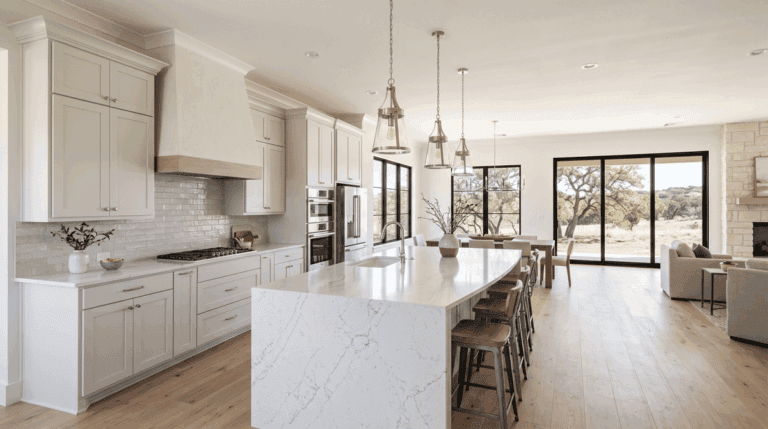
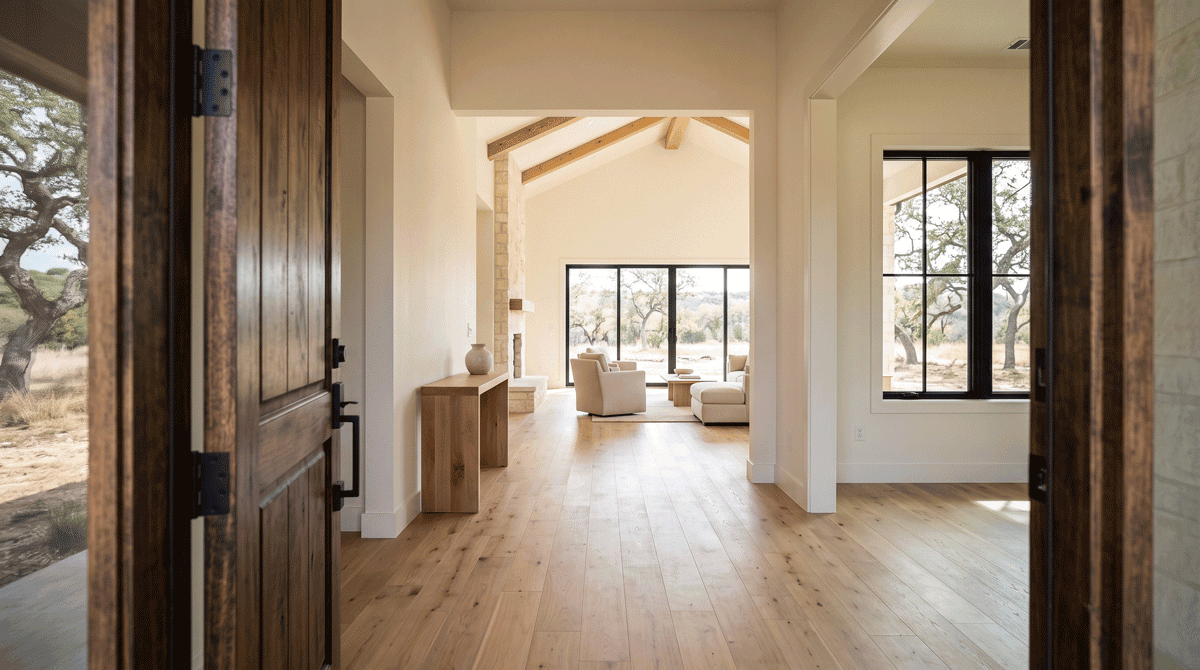
A true move-in ready home is complete. The construction is done, the finishes are in, the systems work, and you could carry a box through the front door the day you close. You are not waiting on a build, choosing options, or living through months of decisions. What you see is what you get, and what you get is a home that works.
That is genuinely valuable. For a buyer on a timeline, whether a lease is ending, a home has sold, or a relocation is looming, a finished home removes the uncertainty of construction. The concept is fine. The problem is only that the phrase says nothing about how the home was built.
What it often quietly means instead
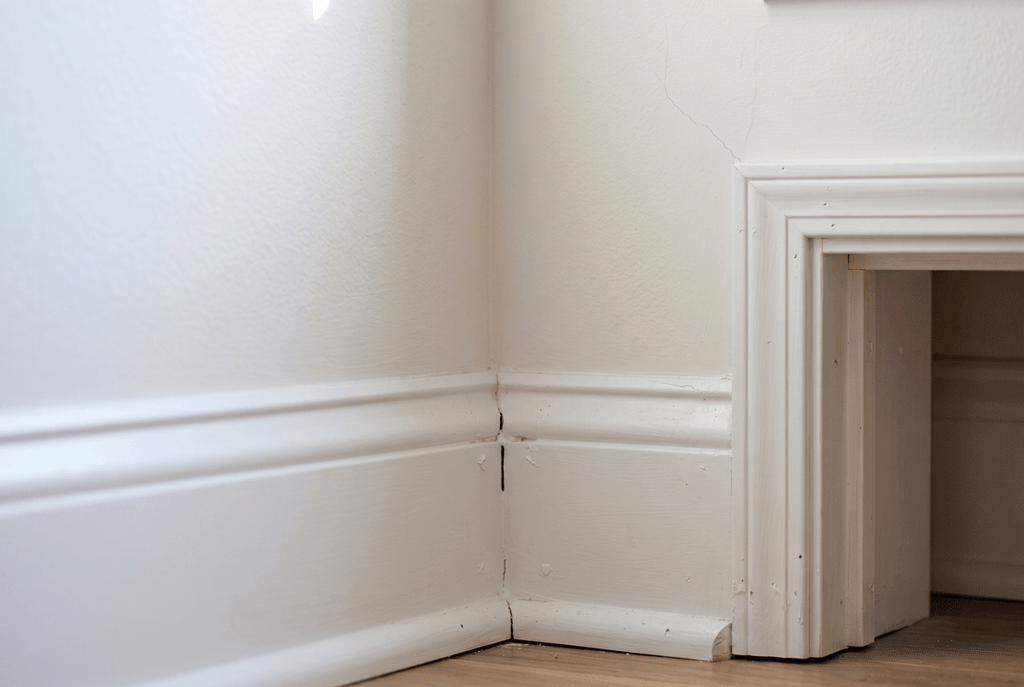
Here is where buyers get caught. In a lot of the market, “move-in ready” describes the surface, not the substance. A home can look finished and still carry compromises you cannot see on a walk-through.
Often the home was built quickly to hit a price point, and the corners that got cut are exactly the ones you cannot inspect: the framing behind the drywall, the prep work under the finishes, the details that determine whether the home ages well or starts nagging you with small problems.
Sometimes the beautiful version you toured is a model, and the home you actually buy is a stripped-down base with lesser finishes, unless you pay to upgrade back to what caught your eye. The “ready” home and the marketed home are not the same house.
Frequently, the home was staged to sell rather than built to live in. Fresh paint and styled furniture photograph well and reveal nothing about the crew that built it, the materials inside the walls, or whether anyone independent ever checked the work.
And very often the warranty is thin or short, which quietly tells you how much confidence the builder has in what they made. A one-year warranty and a ten-year warranty are two very different statements about the same house.
None of this means every finished home is a gamble. It means the label alone cannot tell you which kind you are looking at. You have to look deeper.
The questions a smart buyer actually asks
The good news is that you can see through the surface with a handful of pointed questions. If a home is genuinely well built, the answers come easily. If it is not, the answers get vague.
Ask who built it, and whether they also build custom homes. A builder who puts their name on custom homes for demanding clients has a standard to protect, and they carry that standard into their finished homes. A company that only produces spec inventory has different incentives.
Ask what happened behind the walls. Did they keep the framing clean before drywall? Did experienced crews install the systems, or did they go with the lowest available bid? You will not see this after the fact, so the builder’s process is your only window.
Ask whether anyone independent inspected it. A third-party, licensed inspector walking the home during construction is very different from a builder simply checking their own work. Independent eyes at multiple stages are one of the strongest signals of quality.
Ask how long the warranty runs, and what it covers. The length of a structural warranty tells you, in writing, how long the builder is willing to stand behind their work.
And ask whether the price is the price. A finished home should have a real number, not a base price with an upgrade menu waiting to pull it higher. If the answer involves allowances and options on a home that is supposedly complete, something is off.
The Hearthside difference
This is exactly where our finished homes are meant to stand apart, so let us be specific rather than vague.
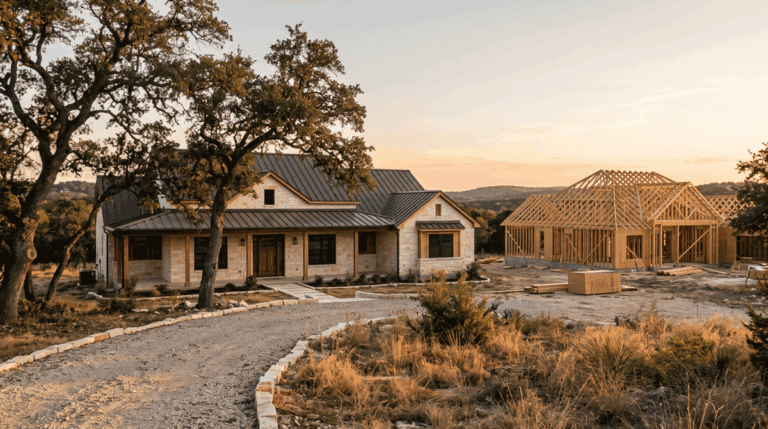
Every available Hearthside home is built to the same standard as our custom homes. Same materials, same crews, same process, same warranty. These are not a lesser product built to move quickly. They are Hearthside homes that happen to be finished and ready now, which means the answers to all of those buyer questions are already good.
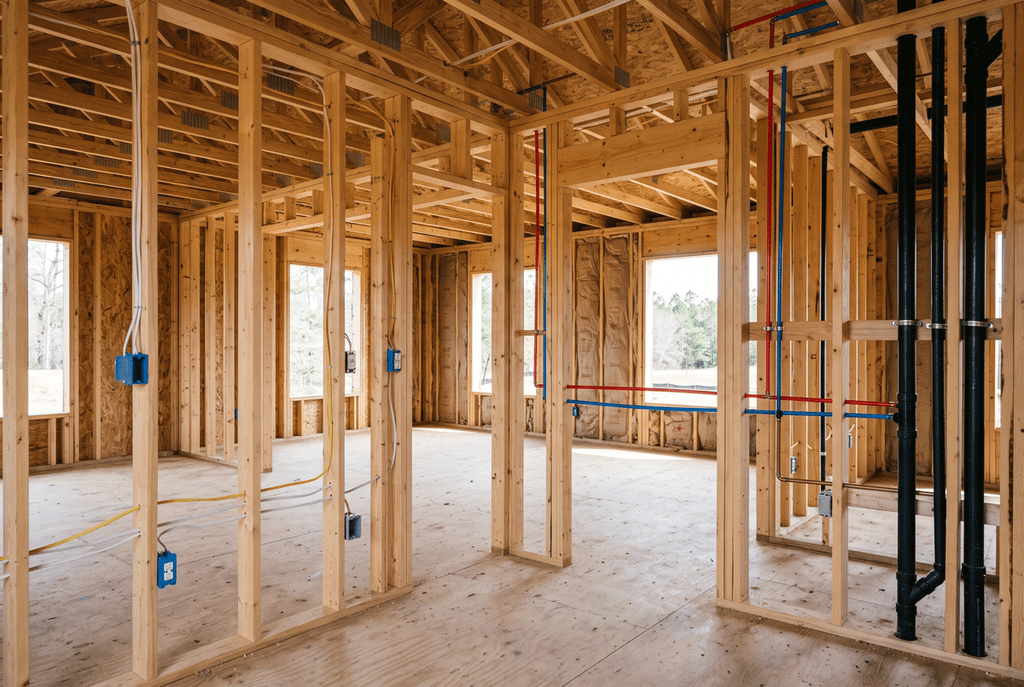
Behind the walls, we vacuum every wall cavity before the drywall goes up, so finishes sit against clean framing. A third-party, TREC-licensed inspector walks every build at multiple stages, so independent professionals have already checked the work you will never see. Our crews are not a rotating cast of low bidders. Most have been with us for a decade or more, with well over a century of combined experience on our sites. You can see how the whole process works on our How We Build page.
Every home we deliver, custom or finished, carries a 10-year structural warranty, where Texas requires only six. And the same principle that governs our custom work applies here: the price you sign is the price you pay, with no base-model games and no upgrade sheet hiding behind the listing. If you want to know how that feels from the buyer’s side, our client reviews tell that story better than we can.
Move-in ready should mean built to last
The phrase does not have to be hollow. Used honestly, “move-in ready” means a home that is finished, functioning, and built to the same standard you would demand if you had watched every stage of construction yourself. That is the version we build, and it is the version worth holding out for.
So use the label as a starting point, not a conclusion. Let it tell you the home is finished, then ask the questions that tell you how. The homes that answer well are the ones you will still be glad you chose long after the moving boxes are gone.
See the difference for yourself
The best way to understand what a truly move-in-ready home feels like is to stand inside one and ask every question above. We welcome exactly that. Take a look at our current available Hill Country homes to see finished homes built to our full custom standard, or reach out through our contact page if you would like to talk one through. Either way, you will get straight answers, because we built the home to give them.
Frequently asked questions
What does “move-in ready” actually mean?
At its most basic, it means the home is fully built and finished, so you can move in without waiting on construction or choosing options. The catch is that the label describes only that the home is complete. It says nothing about build quality, which is why two move-in ready homes can differ greatly in substance even when they look similar.
Are move-in ready homes lower quality than custom homes?
They can be, but they do not have to be. Many builders produce finished inventory quickly and at a set price, which can mean unseen compromises. Others, including Hearthside, build their finished homes to the same standard as their custom work, with the same crews, materials, inspections, and warranty. The builder, not the label, determines the quality.
What should I look for when buying a move-in ready home?
Ask who built it and whether they also build custom homes, what was done behind the walls, whether an independent inspector checked the work during construction, how long the structural warranty runs, and whether the listed price is final or a base price with upgrades. Clear, confident answers are a strong sign of a well-built home.
Is a move-in ready home a good idea if I want quality and speed?
Yes, as long as you choose the right builder. A well-built finished home gives you both the certainty of a fixed, complete home and the quality of true custom construction. The key is confirming that the finished home was built to the same standard as the builder’s custom work, rather than assuming the “ready” label guarantees it.

Hearthside Homes
More about Hearthside →Have a lot in mind? Start with a drawing.
Free First Draft floor plan for your specific lot — no fee, no obligation.